
How to import Ecuadorian tuna: certifications, HS codes and logistics
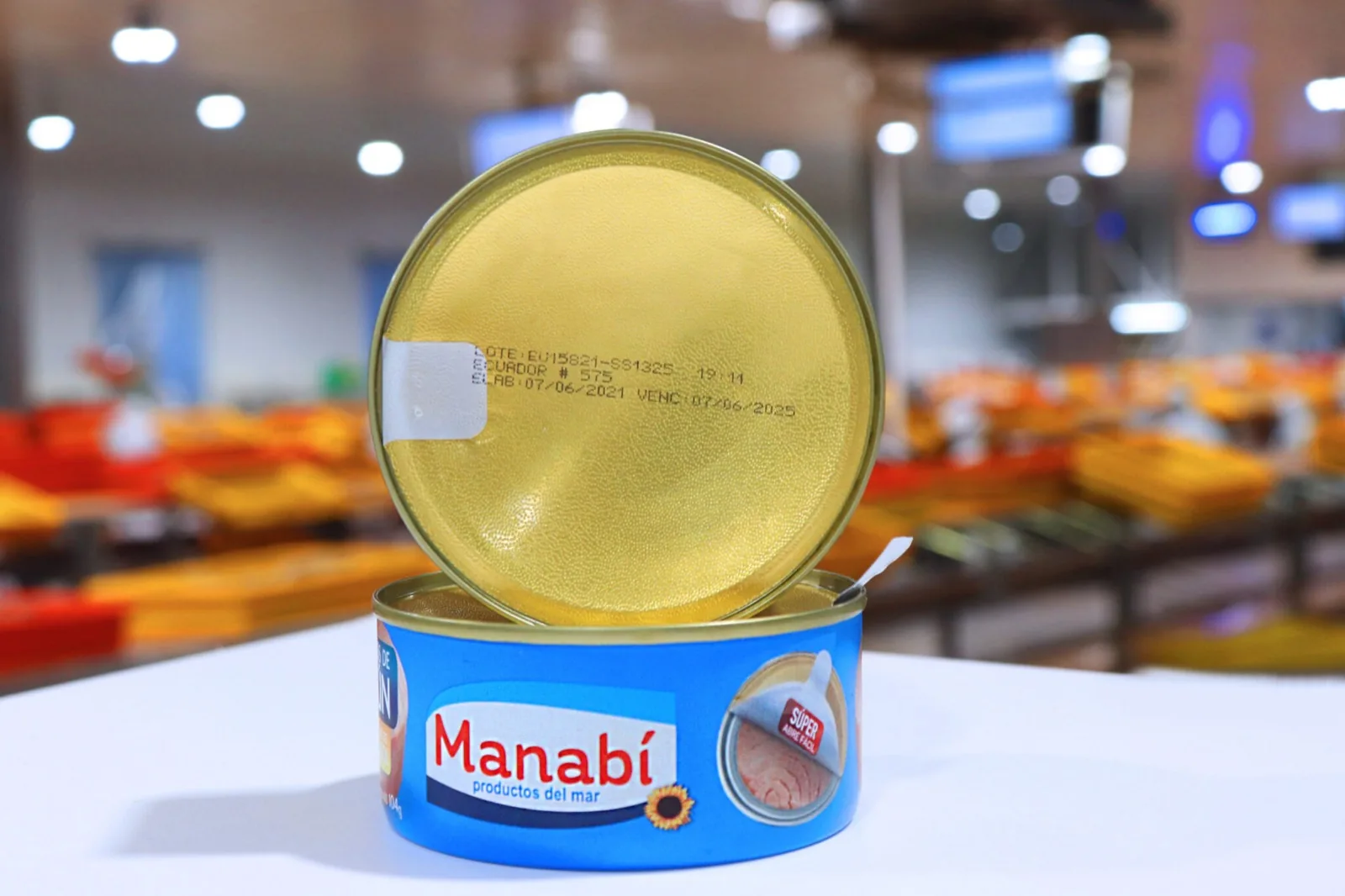
Ecuador is one of the world's largest tuna processors, and Manta is its tuna capital. For an importer, buying Ecuadorian tuna is straightforward once four things are clear: the product format, the tariff classification, the certification package and the logistics route. This guide covers all four.
1. Choose the commercial format
Tuna trades in four main formats: retail cans, retort pouches, pre-cooked frozen loins for canners, and frozen or ultra-frozen tuna for the fresh-fish trade. Cans and pouches are finished consumer goods; loins are an industrial raw material; ultra-frozen (-60 °C) tuna serves sashimi markets. Eurofish ships all four from its own plants.
2. Know your HS codes
Canned and pouched tuna and pre-cooked loins generally classify under HS heading 1604.14 (prepared or preserved tuna). Raw frozen tuna fillets and loins fall under 0304.87, and whole frozen tuna under 0303 subheadings by species. Confirm the national tariff line with your customs broker — duty rates and inspection regimes follow the code.
3. Assemble the certification package
- Plant certifications: BRCGS and IFS Food are the retail-audit standards European and American chains expect; HACCP underpins both.
- Sustainability: Dolphin Safe is standard for purse-seine tuna; TUNACONS/WWF fishery improvement participation and MSC-track documentation increasingly matter for premium programmes.
- Health certificates: issued per shipment by Ecuador's competent authority for the destination market.
4. Market-specific requirements
China: overseas food manufacturers must be registered with customs (GACC) under Decrees 248/249; verify the plant's registration covers your product category before contracting. Russia and the EAEU: imports require an establishment approved by Rosselkhoznadzor and shipment records in the Mercury traceability system. South Korea: imports clear through MFDS declaration with Korean-language labelling; the Ecuador–Korea trade agreement is phasing tariffs down for tuna products. EU: Ecuador's trade agreement gives canned tuna preferential access with an EUR.1 / REX origin declaration.
5. Plan the logistics
Canned product moves in dry containers (roughly 1,500–1,800 cases in a 20-ft, depending on can size); loins and frozen tuna move in reefer containers at -18 °C, ultra-frozen at -60 °C in specialised units. Main loading ports are Manta and Guayaquil/Posorja, with regular services to Asia, Europe and the Americas. Quotes are issued FOB, CFR or CIF per Incoterms 2020.
Frequently asked questions
What is the typical lead time from order to shipment?
For canned production runs, 4–8 weeks from confirmed artwork and specification to vessel departure, depending on season and packaging; frozen loins often ship faster from stock programmes.
Do I need an import licence to buy tuna?
That depends on your jurisdiction. Most markets require importer registration, sanitary notification and sometimes product registration — your customs broker can confirm against the HS code.
Can Eurofish help with destination documentation?
Yes — health certificates, certificates of origin, packing lists and market-specific declarations are prepared per shipment for your import market.
Further reading
Planning a tuna import programme?
Get a documented quote — format, certification package and logistics in one offer.