
The -60 °C tuna cold chain: how sashimi-grade supply works
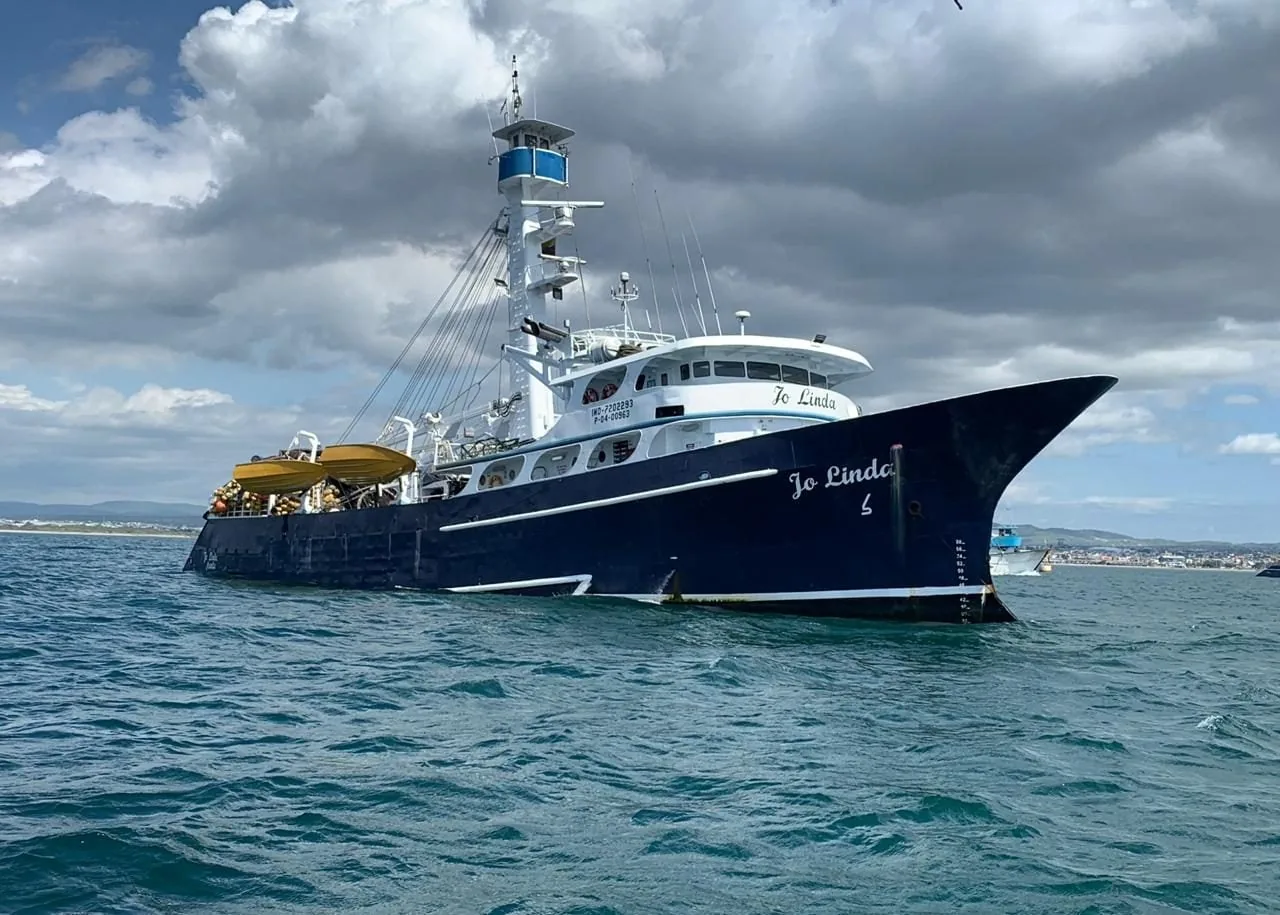
Fresh tuna begins degrading the moment it leaves the water: enzymes soften the flesh and myoglobin oxidises from red to brown. Standard freezing at -18 °C slows this but does not stop it — which is why tuna destined for sashimi runs on a separate, far colder logistics chain.
Why -60 °C is the sashimi standard
Below approximately -55 °C, the water in tuna muscle is fully vitrified and both enzymatic activity and pigment oxidation effectively stop. Tuna held at -60 °C keeps its deep red colour, firm texture and clean flavour for many months — indistinguishable in the cup from fresh-landed fish when properly thawed. At -18 °C the same fish browns and softens within weeks.
The chain, link by link
- Capture: longliners freeze tuna on board to ultra-low temperature within hours of the catch.
- Landing & storage: fish transfer into -60 °C cold stores without breaking temperature.
- Processing: grading, loining and saku cutting happen fast in temperature-controlled rooms.
- Export: ULT reefer containers (or ULT airfreight for urgent volumes) carry product to the destination market.
- Destination: importers hold product in ULT stores and thaw to order for sushi chains, retailers and restaurants.
Eurofish's Transmarina unit is the only operation in South America that maintains this chain end-to-end — 6 longliners and 2 purse seiners feeding around 5,000 MT a year through -60 °C storage in Manta.
What buyers should specify
- Temperature history: require continuous records from vessel to delivery, not just at loading.
- Grade definition: agree colour, fat and texture grading criteria in the contract, with photographic standards.
- Cut and yield: whole round, loins or saku — each has different yield and waste implications at destination.
- Sustainability documentation: the Ecuadorian longline fishery runs an improvement project with WWF Ecuador toward the MSC standard; premium buyers should request the current documentation set.
Frequently asked questions
How long does ultra-frozen tuna keep?
Held continuously at -60 °C, sashimi quality is maintained for a year or more; commercial contracts typically specify shorter rotation for premium positioning.
How should ULT tuna be thawed?
Controlled thawing in chilled brine or refrigerated air per the technical sheet we supply — fast enough to limit drip loss, cold enough to protect colour.
Is ULT tuna more expensive to ship?
Yes, ULT reefers carry premiums over standard reefers, but the quality difference commands the price gap in sashimi markets — landed-cost math is part of our quote.
Further reading
Exploring the sashimi category?
Transmarina quotes ULT tuna with full temperature documentation — tell us your market and format.